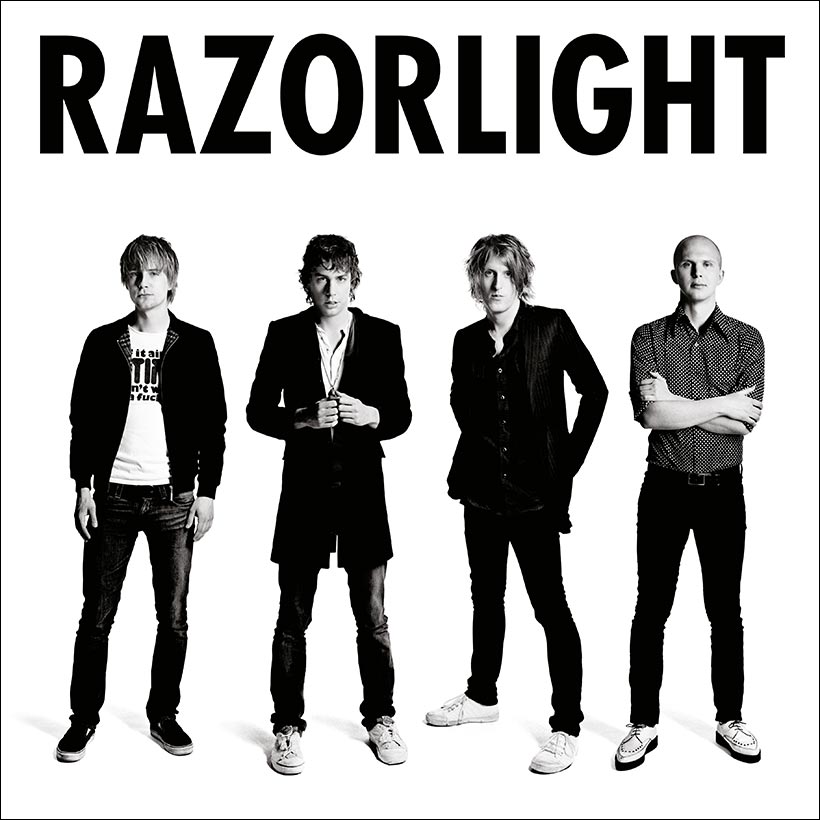
Compared to their debut album, 'Up All Night', their second outing was a coming-of-age for Razorlight. It sounds much more polished and accessible, packed with hit after hit that makes it feel like a greatest hits album. Even frontman Johnny Borrell agrees, and it's no surprise to anyone that the album went on to become a modern-day blueprint on what makes a good indie record.
Following the release of 'Razorlight' in 2006, British indie was no longer niche. Indie and guitar bands received frequent radio play, headline slots at festivals and chart-topping positions, and while 'Razorlight' didn't force that shift alone, it perfectly captured the moment when indie music became firmly embedded within mainstream British culture.
Today, much of this period is retrospectively grouped under the "indie sleaze" umbrella. However, indie sleaze was not a genre musicians and fans used to describe themselves at the time, instead being a much newer label that covers not just the music, but also the fashion, nightlife and hedonistic aesthetic associated with the early and mid-noughties scene.
At this time, the music also became inseparable from British television, appearing very noticeably in several TV shows including everything from The Inbetweeners to Peep Show. Most memorably, indie tracks featured in the Manchester-based school drama Waterloo Road, with the very first episode of the series featuring Kaiser Chiefs' ‘I Predict a Riot'. Perfectly fitting, the indie soundtrack for the series felt very northern and reminiscent of what it meant to be young and northern in the noughties – the relatability of 00s indie being one of its main draws.
Alongside Razorlight, the era produced an extraordinary number of breakthrough acts. Brighton band The Kooks, fronted by Luke Pritchard, released their debut album, ‘Inside In / Inside Out’, in 2006. Featuring ‘Naïve’ and ‘She Moves in Her Own Way’, it supplied two of the decade’s most recognisable indie floor-fillers.
Bloc Party offered something particularly unique, uplifting and different from the norm. Their debut album, 'Silent Alarm', was released in 2005, and gifted us the powerful-sounding, indie classics ‘Helicopter’ and 'Banquet'.
Before them, The Libertines, co-fronted by Pete Doherty and Carl Barât, had already helped establish the sound and aesthetic now associated with indie sleaze. Their debut album, 'Up The Bracket' came out in 2002, and in 2003 they released arguably their most well-known song: 'Don't Look Back Into the Sun', which was even named number five in NME's list for the greatest indie anthems of all time in 2007.
This guitar-based boom stretched beyond the acts that were typically labelled as indie. On the same day that Razorlight released their second album, Scottish singer-songwriter Paolo Nutini released his debut, ‘These Streets’. His distinctive, raspy vocals carried some of the most beautiful-sounding tracks, with ‘Rewind’, ‘Jenny Don’t Be Hasty’ and the amazing ‘Last Request’. Alongside fellow Scottish band Franz Ferdinand, Nutini helped demonstrate the wide variety of Scotland's contribution to the decade’s alternative music scene, with Franz Ferdinand achieving particular success through tracks such as ‘Take Me Out’.
One of the biggest bands that helped indie evolve into mainstream music was Arctic Monkeys from Sheffield, South Yorkshire. Fronted by the magnificent Alex Turner, the band wrote about northern lad culture and nightclubs, and paired it with Turner's charmingly northern, witty voice. In October of 2005, their debut single ‘I Bet You Look Good on the Dancefloor’ was released, debuting at number one on the UK Singles Chart.
Another northern band that became one of the biggest breakthrough bands of the era was Greater-Manchester's Courteeners. Lead vocalist Liam Fray would paint an honest picture of growing up in Manchester and the nights out that entailed there. The band released their essential British indie anthem-filled debut album ‘St. Jude’ in 2008, which contained sing-along floor-filler, ‘Not Nineteen Forever’ – a track that has continued to make festival crowds go wild ever since.
Moving across the pond, indie bands were also emerging in the American 00s indie scene, including The Killers with their debut album ‘Hot Fuss’ – widely recognised as one of the defining indie albums of the decade – and MGMT, with their album ‘Oracular Spectacular’. Both The Killers and MGMT had some of the most recognisable tracks of all time: The Killers with the instantly recognisable ‘Mr. Brightside’, and MGMT with ‘Kids’ – two songs with perhaps some of the best intros in music.
Today, indie as a genre is still going strong, with the likes of Blossoms, The 1975 and Catfish and the Bottlemen being well-known classics. Newer bands such as Overpass have emerged alongside established modern acts including The Lathums and The Lottery Winners, who have created a unique sound for themselves, breaking away from the sound commonly associated with 00s indie while still maintaining key parts of its signature guitar-led style.
To celebrate the 20th anniversary of their self-titled record, Razorlight will tour the UK and Ireland throughout November and December, with support from The Molotovs. The K’s will also join the bill for the band’s OVO Arena Wembley show on 4th December. Tickets are on sale now.
Jack Smith
Image: ‘Razorlight’ Official Album Cover